










Bản quyền © 2026 ROTER Fresh Air Technology Wuxi Co., Ltd. Mọi quyền được bảo lưu. Website Design by Wangke
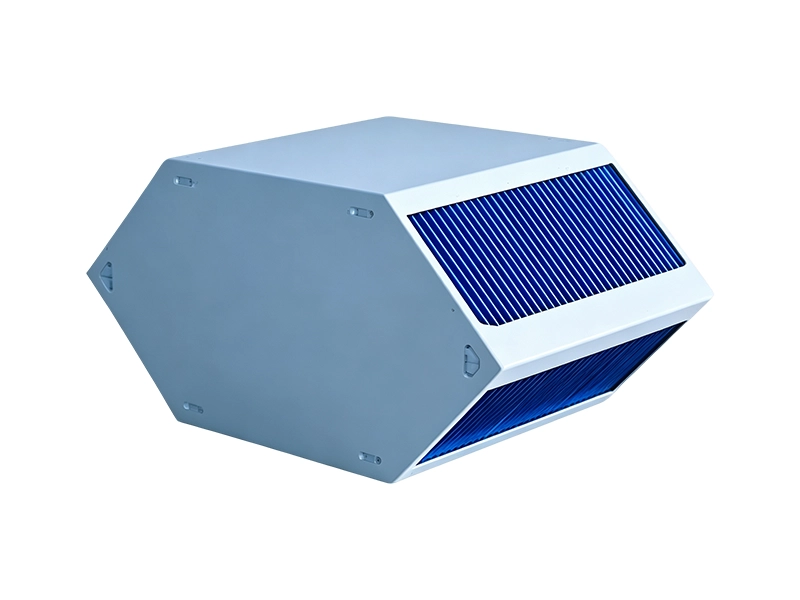
Bộ trao đổi nhiệt dạng tấm ngược dòng
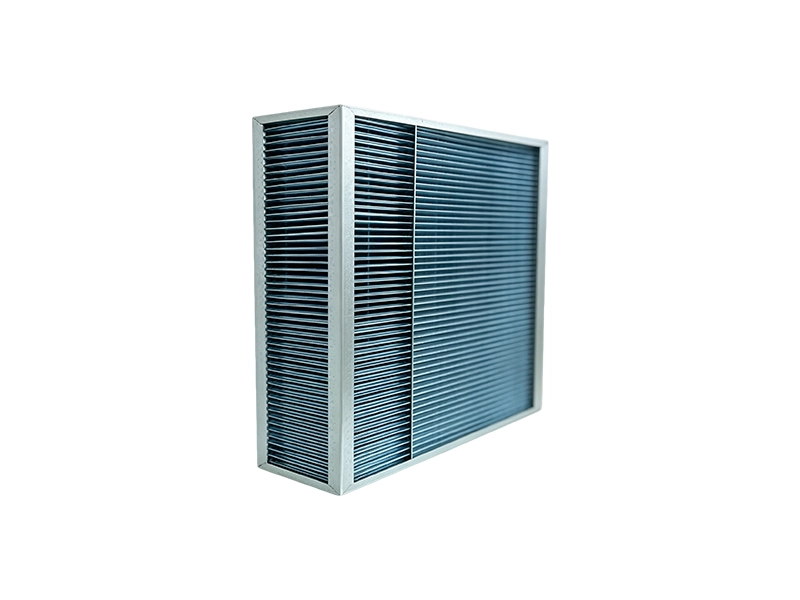
Bộ trao đổi nhiệt dạng tấm ngược dòng
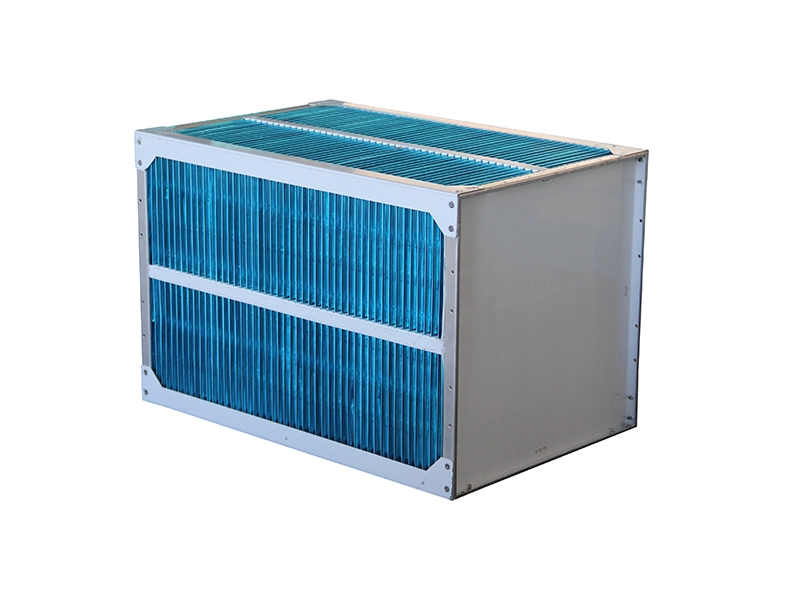
Bộ trao đổi nhiệt dạng tấm
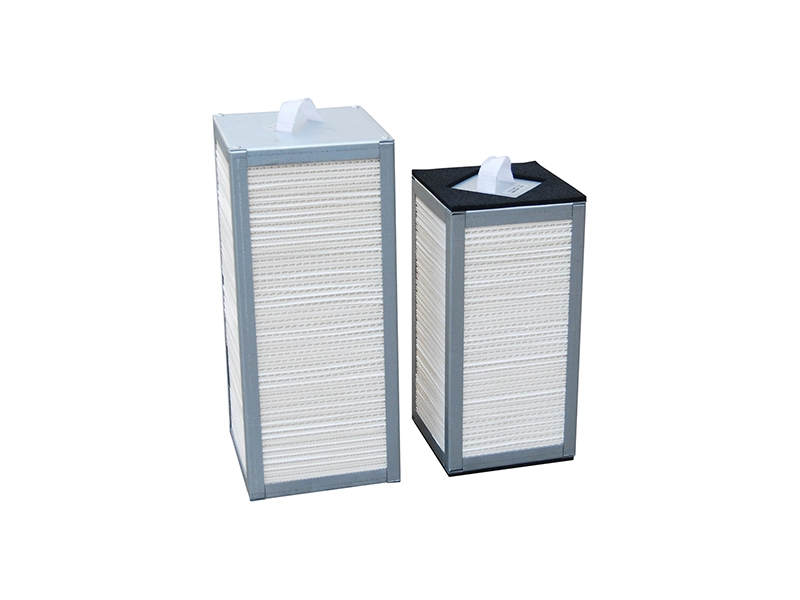
Bộ trao đổi nhiệt tổng dạng tấm
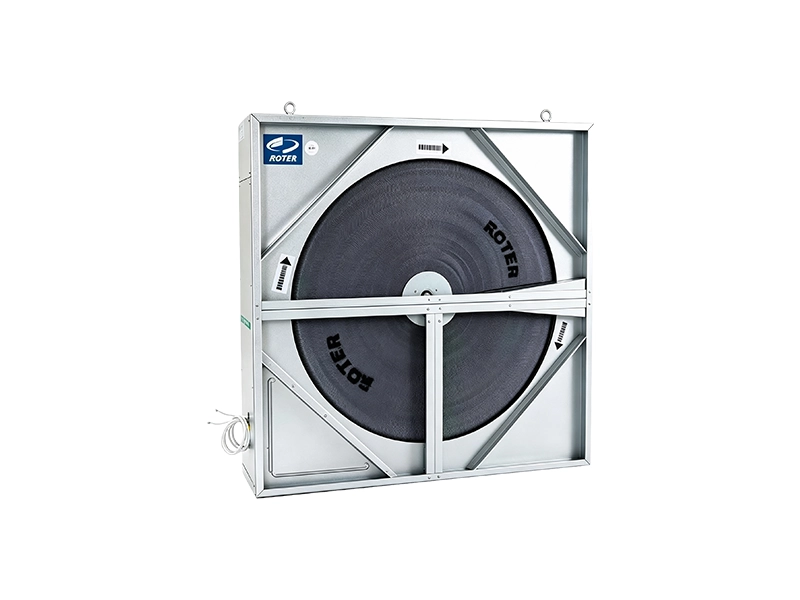
Bộ trao đổi nhiệt bánh xe
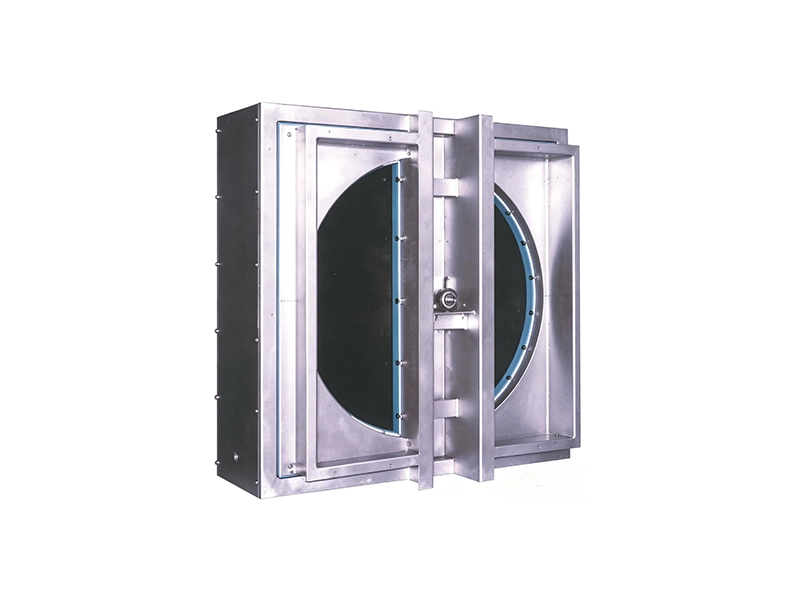
Đơn vị bánh xe thu hồi nhiệt
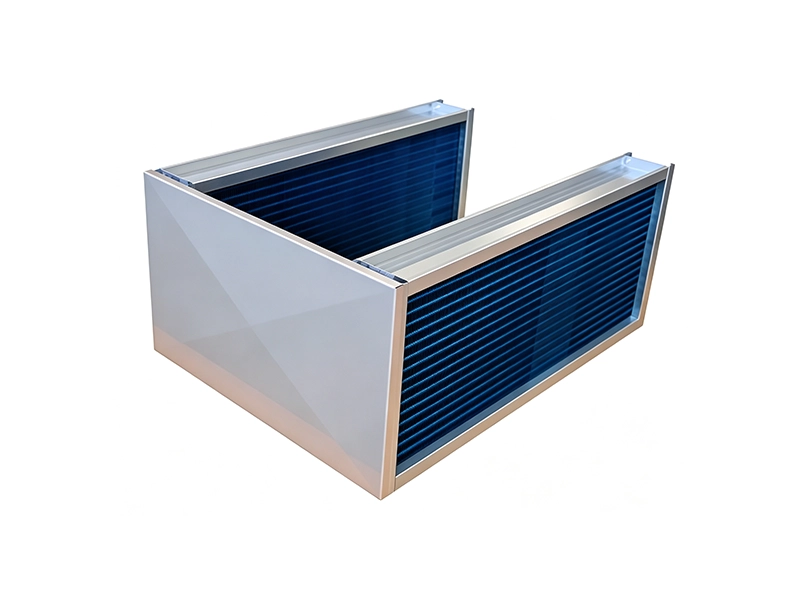
Bộ trao đổi nhiệt ống hút ẩm loại U
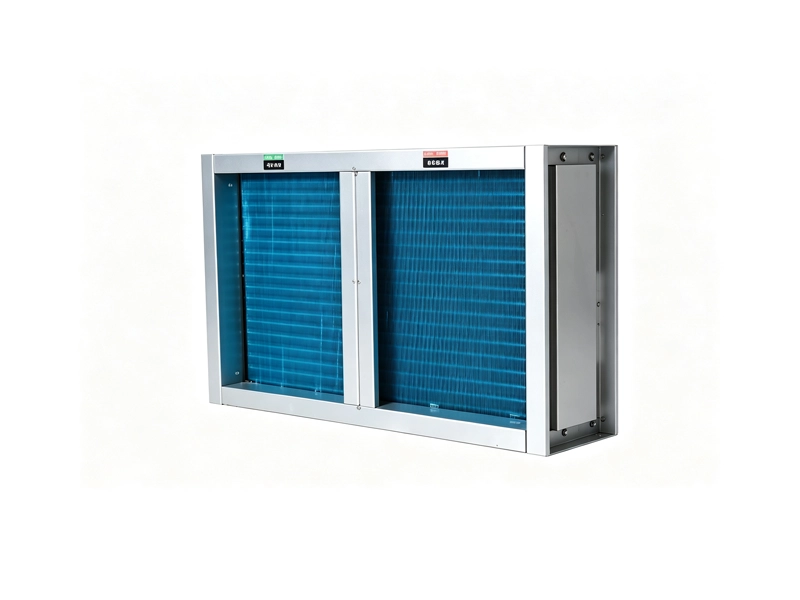
Bộ trao đổi nhiệt ống nhiệt
A heat recovery exchanger sits in the middle of a ventilation system: supply air and extract air pass through it in separate channels, and the heat in the outgoing air is transferred to the incoming air. The result is fresh air delivered without the full air conditioning load that would otherwise be needed to condition it. ROTER manufactures three core types, each with a different working principle, and supplies them both as cores and as complete units.
Two air streams are separated by thermally conductive plates and heat passes through them by conduction. Supply and exhaust air never mix, so odour and moisture cannot transfer between them. ROTER plate cores use high quality hydrophilic aluminium foil or epoxy-coated aluminium foil; the foil carries a coating that wets readily, so condensate flows down the surface instead of bridging the channel and reducing transfer.
A honeycomb rotor rotates continuously at 10 rpm and acts as a heat and cold storage core. Fresh air passes through one semi-circle while exhaust air flows counter-currently through the other, so the two streams exchange heat through the same rotating matrix. Up to 75% of the thermal energy in the exhaust air can be recovered. ROTER builds the rotor cores, the molecular-sieve desiccant and the aluminium foil process directly from United States sourced technology, in a range of specifications.
For industrial exhaust streams above 120°C, an ECW type high temperature rotor rated to 300°C is available, with cores made of magnesium-aluminium alloy or stainless steel foil.
A gravity heat pipe has no moving parts and cannot leak. The evaporator section absorbs heat from the hot airflow; the vapour generated inside the pipe travels to the condenser section, where the cold airflow takes the heat back and the condensate returns by gravity. A U-type arrangement places the evaporator and condenser sections horizontally on either side of the air handling unit evaporator and connects them with copper tubes, which is the configuration used for dehumidification.
| Requirement | Recommended core | Why |
|---|---|---|
| Fresh air must not pick up any odour from exhaust | Plate | Physically separated air paths with a solid barrier |
| Maximum heat recovery from high volume exhaust | Rotary | Up to 75% recovery in a compact core |
| Condensate-free operation, minimal maintenance | Heat pipe | No moving parts, no water circuit to leak |
| Humidity must be removed from the supply air | Plate total or desiccant wheel | Latent heat transfer, not sensible heat only |
In a 200 m² room case documented in the ROTER manual, outdoor air at 33°C is supplied at about 28°C instead of the 7°C that ordinary ventilation would require, saving approximately 1,112 kWh in winter and 1,427 kWh in summer, an annual saving of roughly 42.3% at 0.48 CNY per kWh. Because the load on the air conditioning equipment falls, the installed equipment size can often be reduced as well.

Một doanh nghiệp dựa trên công nghệ chuyên nghiên cứu chất lượng không khí và sản xuất chuyên nghiệp các thiết bị thông gió tiết kiệm năng lượng và hiệu quả