










Bản quyền © 2026 ROTER Fresh Air Technology Wuxi Co., Ltd. Mọi quyền được bảo lưu. Website Design by Wangke
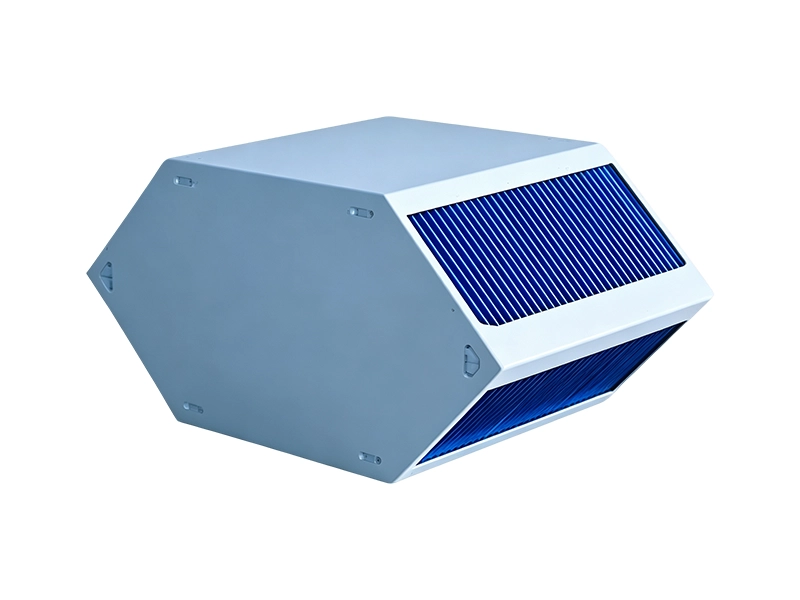
Bộ trao đổi nhiệt dạng tấm ngược dòng
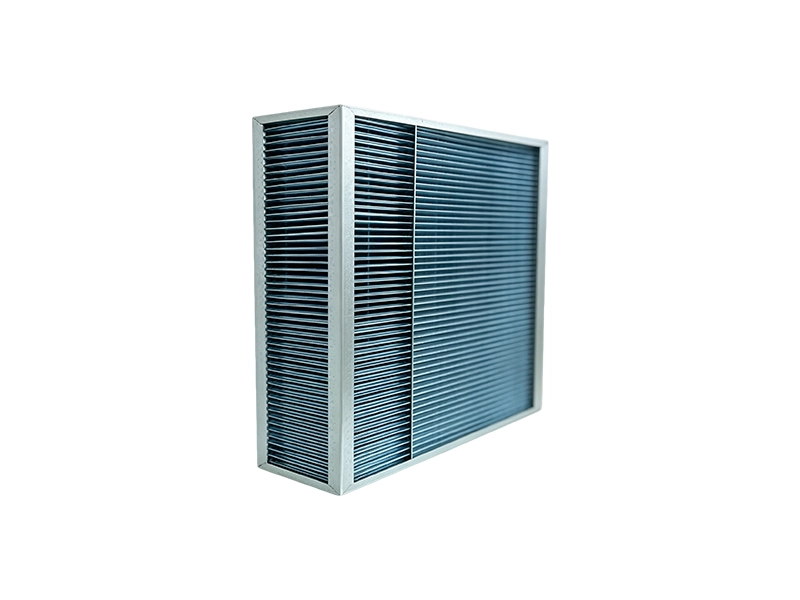
Bộ trao đổi nhiệt dạng tấm ngược dòng
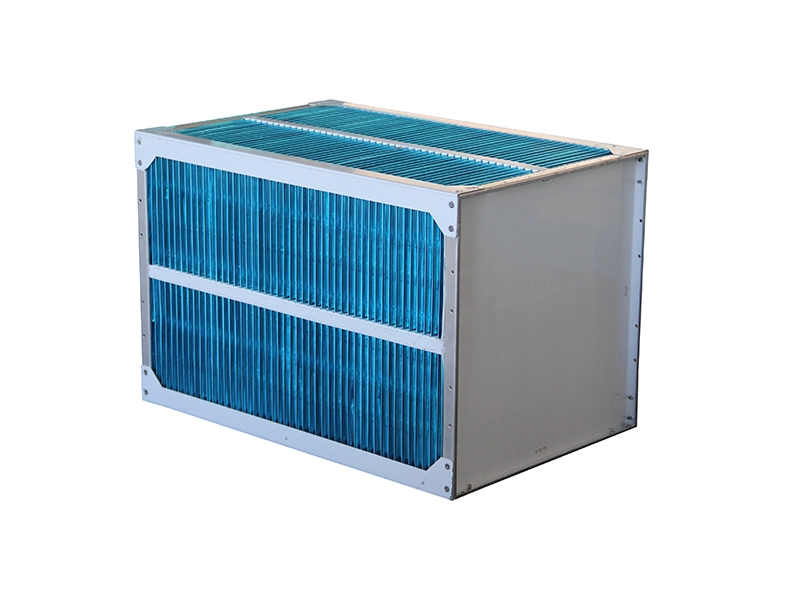
Bộ trao đổi nhiệt dạng tấm
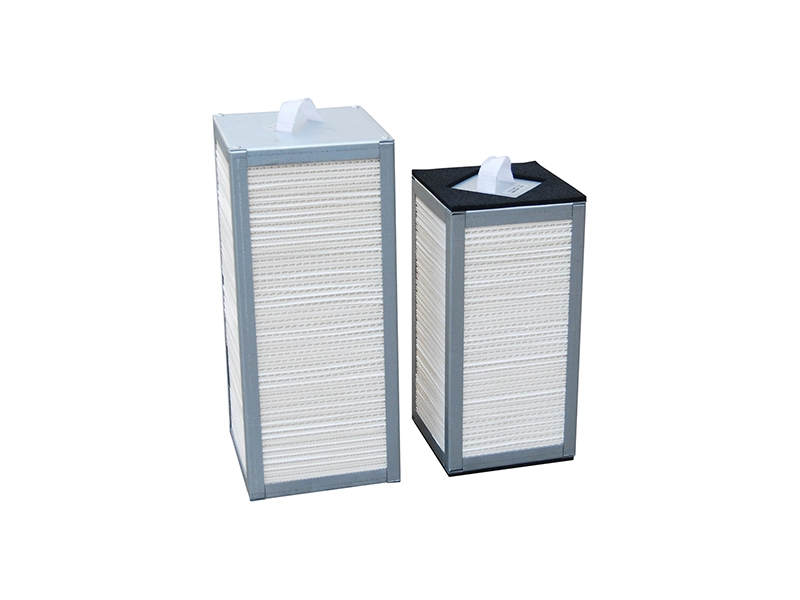
Bộ trao đổi nhiệt tổng dạng tấm
A plate heat exchanger transfers energy between two air streams through thermally conductive plates. The supply and exhaust air pass on opposite sides of the plates and never mix, which is why a plate core is the default choice whenever the incoming air must not pick up any odour from the outgoing air. The plates carry a hydrophilic aluminium foil or epoxy-coated aluminium foil, which wets readily so that condensate drains along the channel instead of reducing the transfer rate.
| Model | Airflow arrangement | What it recovers | Link |
|---|---|---|---|
| Cross counter-flow plate heat exchanger | Partly cross flow, partly counter flow | Heat, with supply and exhaust air fully separated | Details |
| Counter-flow plate heat exchanger | Counter flow | Heat at the lowest possible transfer approach temperature | Details |
| Plate sensible heat exchanger | Cross flow across enclosed aluminium fins | Sensible heat only, no moisture | Details |
| Plate total heat exchanger | Heat exchange paper and corrugated paper channels | Heat and moisture, with no cross-contamination | Details |
Compared with a rotary heat exchanger, a plate core has no rotating parts, so there is nothing to wear out and no desiccant to replace, but it is limited by the material of the plate itself and cannot move moisture through a solid barrier. Compared with a heat pipe heat exchanger, a plate core reaches a lower transfer temperature but has no condensate-free property. Where the requirement is simply separated airflow with good heat recovery, the plate family is usually the most economical answer.
ROTER plate heat exchangers are applied to energy recovery in residential, commercial and industrial ventilation systems. In practice that means apartments and houses with a mechanical ventilation system, offices and shopping malls running a fresh air unit, hospitals and laboratories where cross-contamination has to be ruled out, and industrial plants recovering exhaust heat from production ventilation.
Send these details and the ROTER engineering team will propose the core type, the face area and the number of channels, together with a dimensional drawing and the expected performance.

Một doanh nghiệp dựa trên công nghệ chuyên nghiên cứu chất lượng không khí và sản xuất chuyên nghiệp các thiết bị thông gió tiết kiệm năng lượng và hiệu quả